
Small insects, termites, are capable of destroying all wooden furniture in addition to doors and windows within a property, along with its entire structure. When the homeowners start seeing tiny holes in wooden articles, hollow sound of wood and mud tub on walls, they search for a Termite Control Service in Ahmedabad. Wood is an easy target for termites as they consume cellulose in it. It's essential to understand how termites damage wood and their removal techniques, so you can protect these structures in your home or for furniture.
In this article, we will discuss how termites destroy wood, how to tell if the bed has termites in it, and the ways commonly used to get rid of termites from wooden surfaces.
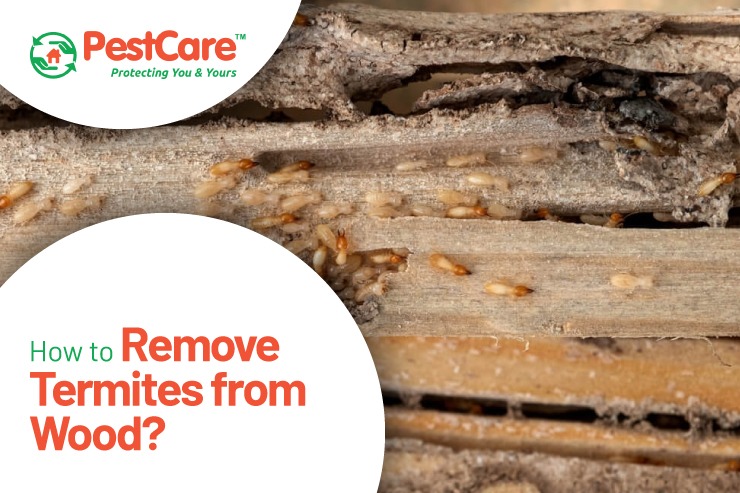
They are small insects that form colonies. They live off cellulose, which means they can eat things, like wood, paper, and plant fibers. Since wood makes up a large part of furniture and building structures, termites can invade homes without being noticed for extended periods. Most termites enter the home through tiny cracks in walls, floors, or foundations. Once they are inside, they start feeding on wooden structures from the inside. That's why people find out about termite damage late: the wood has already been harmed.
Termites eat wood, and even if it seems great on the exterior, it is hollow and weak on the inside.
Early detection of termites can minimize damage. Here are some common signs that might tell you termites are active on your wooden objects.
Subterranean termites create small mud tubes on walls, floors, or wooden structures. The lines make it safe for them to get from their colony to the food supply.
Termites chew through the wood from the inside out, so it might not even look damaged on the outside. That could indicate termite damage if the tap produces a hollow response.
Small holes that form in your wooden furniture or doors as termites dig tunnels. You may also notice some fine powder or wood dust near the damage.
Termite damage may bubble paint or make wood look swollen. Termites dig tunnels through the wood.
What is the best way to get rid of termites in wood? The right technique is used depending on the infestation level and the location of the house where the termites are located.
Chemical treatments are the most frequent techniques to avoid termite populations. Special termiticides are applied to wood surfaces or injected into infested spaces.
These chemicals create a protective barrier that exterminates and prevents termites. This procedure is frequently employed by professional termite treatment services to control active infestations; otherwise, it is not advised.
Use wood treatment products directly on wooden surfaces. These solutions seep into the wood and render it impervious to termite activity.
So, this process is sometimes used on furniture, wooden cabinets, and doors. It protects wood from further termite infestation.
Most termites are soil-dwelling organisms that enter structures from the ground up. Soil Treatment: Spraying anti-termite chemicals at the base of the building structure
It forms a barrier between the dirt and the structure that will prevent termites from nesting in your residence.
It attracts termites towards a certain area with termiticide. The bait, in turn, contains substances that termites take back to their colony.
That's because the termites will spread the bait throughout the colony, and it will slowly work its way through the entire termite population. This technique is used for long-term termite control.
One important measure that can work is prevention when it comes to wooden furniture and structures against termites. Fewer termites would encroach on your home if only you followed these simple dos and don’ts.
Reduce Moisture Around the House
Termites are attracted to moisture. Repairing leaking pipes, improving drainage, and keeping areas dry may limit termite activity.
Avoid Wood Contact with Soil
Any wooden structures that have contact with soil are more susceptible to termite infestations. Maintaining space between wood and soil can reduce the risk.
Proper Storage of Wooden Items
You should never store your wood and paper products on the floor or near wet areas. Store them in dry, raised places to avoid termite damage.
Sometimes a termite infestation goes deep into the wall or wooden structure. A professional inspection might be required if there is considerable damage.
Pest Care Limited offers termite control services in Ahmedabad with specialists who first inspect the area to determine the type of infestation and then propose appropriate treatment. Professional inspections can sometimes reveal hidden termite colonies in your home and prescribe appropriate control measures.