
One cockroach on the production floor during an audit is all it takes to turn a routine inspection into a failed one, and a failed one into a much bigger problem.
It can do more damage than most manufacturers realise. It can be contaminated stock, damaged equipment, or, in regulated sectors, a failed audit. For manufacturing units, pest control is not a side task; it’s a part of running the business properly, and the cost of ignoring it usually far outweighs the cost of prevention.
Industrial Pest Control in Ahmedabad works with manufacturing units to build programmes suited to each facility’s specific needs. Here’s a closer look at why it matters, broken down into the areas that actually affect a business on a day-to-day basis.
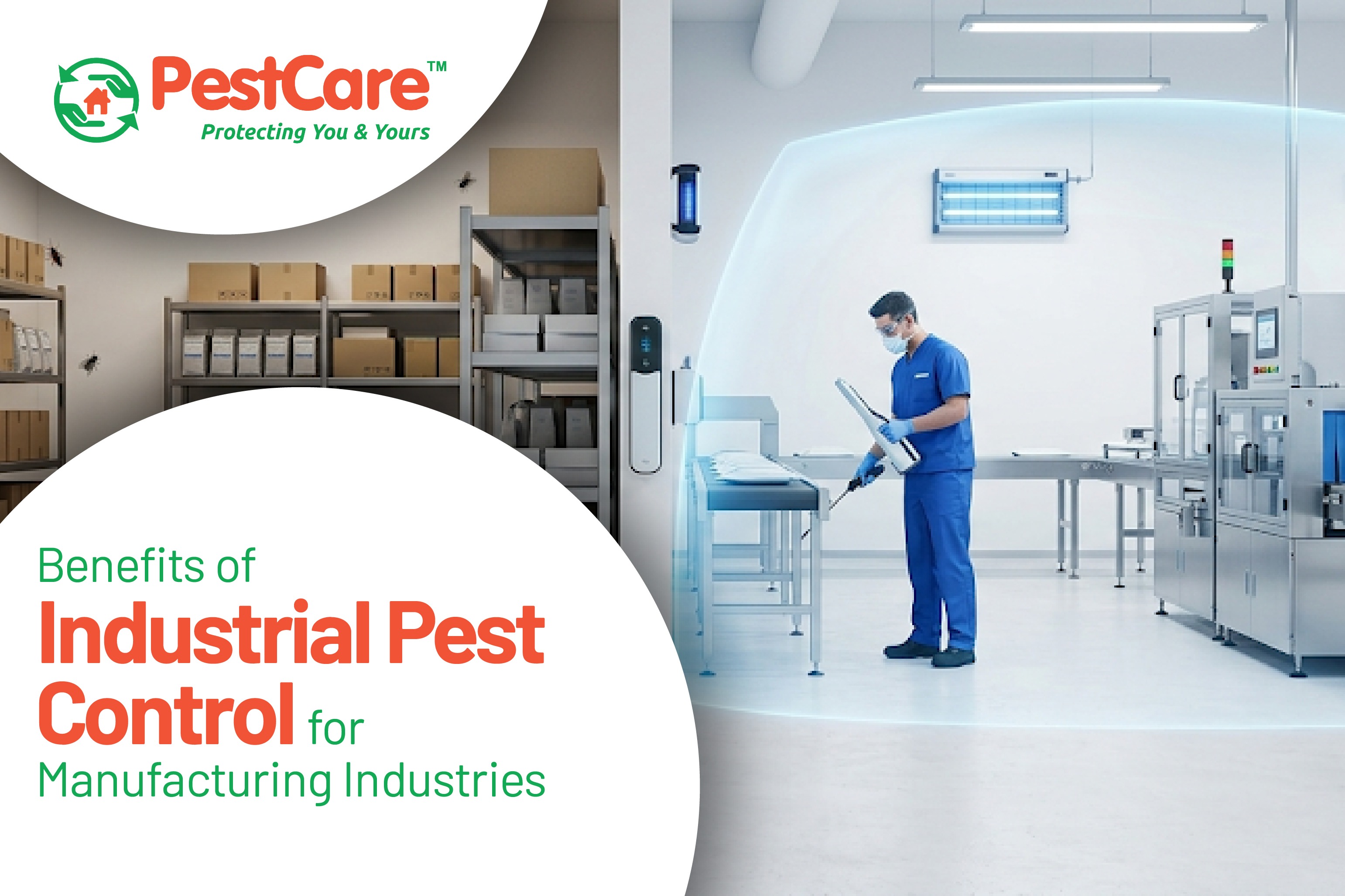
This is exactly why pest control plays such a critical role; it’s what keeps the people living or working on your floor safe and protected. Pests carry disease-causing bacteria such as Salmonella and E.coli, and their presence puts staff at real risk. Rodents and insects in food-handling or production areas can also trigger allergic reactions or contribute to poor air quality over time.
A pest-free facility is simply a faster one to work in, every day, not just during an inspection.
Pest control is not optional for food, pharma, or extra-facing manufacturers; it’s a regulatory requirement, and the frameworks are specific about it. FSSAI, GMP, and HACCP all treat pest control as essential, since even a small infestation can put an entire production batch, and the certifications tied to it, at risk.
This isn’t just a compliance checkbox either. A facility found lacking during an audit faces real legal exposure, failed certifications, product recalls, or penalties that can affect the business well beyond the immediate cost of fixing the problem. A documented, consistently maintained pest control programme is what makes audits manageable rather than a source of risk.
The financial case for pest control is straightforward once you look at what’s actually at stake.
Prevention is nearly always the cheaper route. Since industrial pest control pricing depends on the specific facility, Pest Care India assesses each site individually before recommending a plan that fits both the risk level and the budget.
Clients, audits, and business partners notice a clean, well-managed facility, and it reflects on the business as a whole, especially in B2B relationships built on trust. Even a small, one-off pest sighting can undo years of credibility with a client or partner, and in industries where supplier evaluations include facility audits, that reputational damage can directly affect future contracts.
This matters even more for businesses working with export markets or large B2B clients, where pest control documentation is often requested directly as part of the evaluation process.
Rather than reacting to problems as they appear, most effective industrial programmes today follow an integrated approach, combining regular inspection, targeted treatment, and ongoing monitoring rather than relying on one-off chemical treatments alone.
In practice, that looks like:
This is also what separates industrial pest control from a standard reactive approach; it’s proactive by design, not something that only gets attention once a problem is already visible.
Now that you know just how much pest control impacts your facilities, from health and compliance to cost and reputation. So, when did your facility last have a proper pest control review?
At Pest Care India, we build pest control programmes designed specifically for manufacturing facilities, covering everything from routine monitoring to audit-ready documentation. Before a small gap turns into a costly problem. Give us a call at 98 9898 0205 to get started.
Most manufacturing units, especially food or pharma, benefit from monthly visits with documented monitoring. Reactive treatments alone rarely cut.
Regular inspections, rodent and insect control, and up-to-date documentation, all timed around your production schedule rather than getting in its way.
Yes. Both frameworks expect pest control measures to already be in place, and a documented programme takes much of the stress out of audits and certification renewals.
Industrial programmes focus on monitoring and documentation across larger, complex sites. They also meet regulatory requirements that residential pest control doesn’t need to.
Expect contaminated stock, damaged equipment, and failed audits. In regulated industries, this can mean penalties, recalls, or even lost certification.